1. What is education?
Education is the process where an individual acquires or imparts basic knowledge to another. It is also where a person:
- develops skills essential to daily living,
- learns social norms,
- develops judgment and reasoning, and
- learns how to discern right from wrong.
The ultimate goal of education is to help an individual navigate life and contribute to society once they become older.
There are various types of education but typically, traditional schooling dictates the way one’s education success is measured. People who attended school and attained a higher level of education are considered more employable and likely to earn more.
In developing, low-income countries, for example, there is a projected 10 per cent increase in a person’s future income for every additional year of education.
Education helps eradicate poverty and hunger, giving people the chance at better lives. This is one of the biggest reasons why parents strive to make their kids attend school as long as possible. It is also why nations work toward promoting easier access to education for both children and adults.
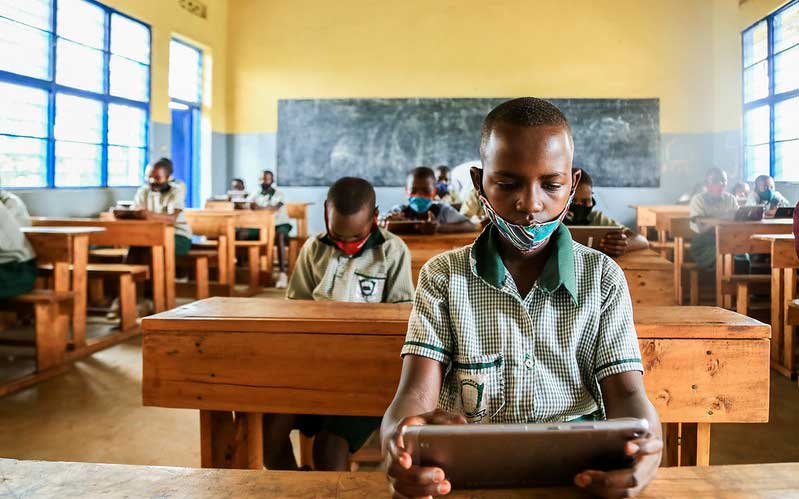
A student from a primary school in Rwanda tries using a tablet computer in class. Many World Vision programs introduce technology into classrooms and youth training centres. Photo: Charity Beza Uwase
2. Why is education important?
There are plenty of reasons why education is important. Generally speaking, they all tie closely to a person’s goals in life and to their future well-being. Below are some of the other most common reasons education is so important:
- Education helps a person hone their communication skills by learning how to read, write, speak and listen.
- Education develops critical thinking. This is vital in teaching a person how to use logic when making decisions and interacting with people (e.g., boosting creativity, enhancing time management).
- Education helps an individual meet basic job qualifications and makes them more likely to secure better jobs.
- Education promotes gender equality and helps empower girls and women. A World Bank report found that an extra year of schooling for girls reduces teen pregnancy rates in Peru by almost seven per cent and gave women more control over how many children they have.
- Education reduces child mortality. According to UNESCO, a child born to a mother who has a high school diploma is 31 per cent more likely to survive past the age of five.
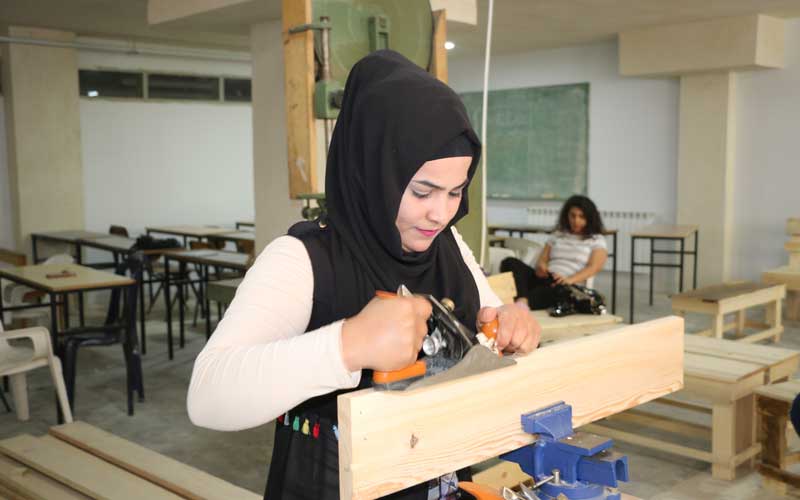
A female student in Lebanon learns carpentry, a skill often associated with men. Education of all kinds empower girls and women in their communities. Photo: Maria Bou Chaaya
3. What are the different types of education?
Education is typically divided into three categories: formal education, informal education, and non-formal education.
Formaleducation
Formal education is the type that is typically conducted in a classroom setting in an academic institution. This is where students are taught basic skills such as reading and writing, as well as more advanced academic lessons.
Also known as ‘formal learning’, it usually begins in elementary school and culminates in post-secondary education. It is provided by qualified teachers or professors and follows a curriculum.
Informal education
Informal education, on the other hand, is the type that is done outside the premises of an academic institution. Often, this is when a person learns skills or acquires knowledge from home, when visiting libraries, or browsing educational websites through a device. Learning from the elders in one’s community can also be an important form of informal education.
Such education is often not planned or deliberate, nor does it follow a regimented timetable or a specific curriculum. It is spontaneous and may also be described as a natural form of education.
Non-formal education
Non-formal education has qualities similar to both formal and informal education. It follows a timetable and is systemically implemented but not necessarily conducted within a school system. It is flexible in terms of time and curriculum and normally does not have an age limit.
The most common examples of non-formal education include community-based courses, vocational training, or short programs that are not facilitated by professional instructors.
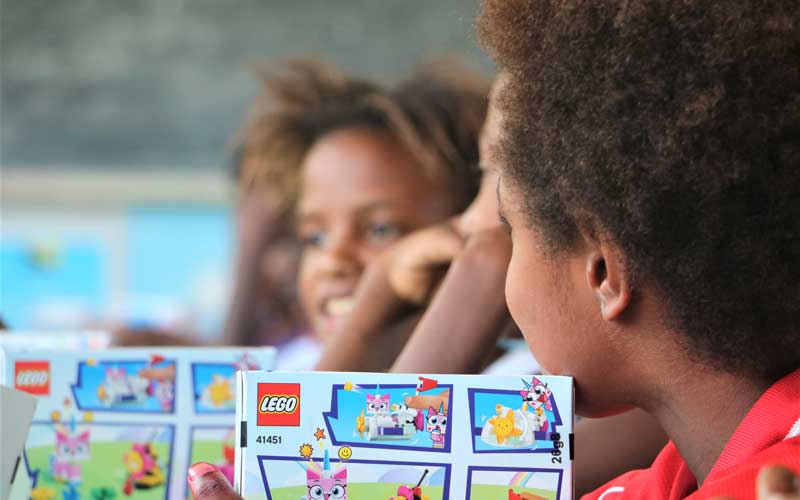
Elementary students from Papua New Guinea now have toy kits for recreation time at school. Play helps children solve problems, develop creativity and work as a team. Photo: Nelson Kairi Kurukuru
4. What are the benefits of education?
If all students in low-income countries acquired basic reading skills before leaving school, entire societies could change dramatically. According to UNESCO, nearly 420 million people could escape poverty if all adults had just two more years of schooling. If all adults completed secondary education, 420 million could be lifted out of poverty. But education isn’t just about living above the poverty line. It’s about quality of life, choices at work, and many other benefits, as listed below.
Developing problem-solving skills
The schooling system teaches a person how to make their own decisions by developing critical and logical thinking skills. This prepares children for adulthood when both big and small decisions become a constant part of their daily lives.
For example, coming up with solutions to challenges in the community or planning how to provide for a family.
Self-reliance and empowerment
Knowing how to read, write, and do arithmetic is empowering. When a person can read, they can access endless learning and information. When they can calculate expenses and make a budget, they can start a small business. Paired with the ability to form opinions, literacy makes a person more self-reliant, and gives them confidence.
Promoting equality amongindividuals
In an ideal world, there is no room for discrimination due to race, gender, religion, social class, or level of literacy. This is where the value of education comes to play. Through education, one can develop strong, well-considered opinions – and learn to respect the views of others. Many experts agree that education is a significant contributor to peace in societies.
Stability and financial security
A person’s income is often linked to his or her educational attainment. Around the world, there are more employment opportunities for those who complete high school, earn a degree, diploma or certificate, or go on to post-graduate studies. These can also mean higher salaries.
Economic growth (as a nation)
An educated population is important in building a nation’s economy. According to studies, countries with the highest literacy rates are more likely to make progress in human and economic development. National economic growth begins with individual economic growth, which is often linked back to education.
In Canada, 70 per cent of jobs have a college-level reading skill requirement. A separate report also found that individuals with lower literacy skills are more likely to be unemployed.
Giving back to the community
Once children are educated, they have more ways to make a difference in their communities. Many of the children we serve at World Vision have dreams of making a difference as teachers, doctors, or as part of the government.